

Salt Museum
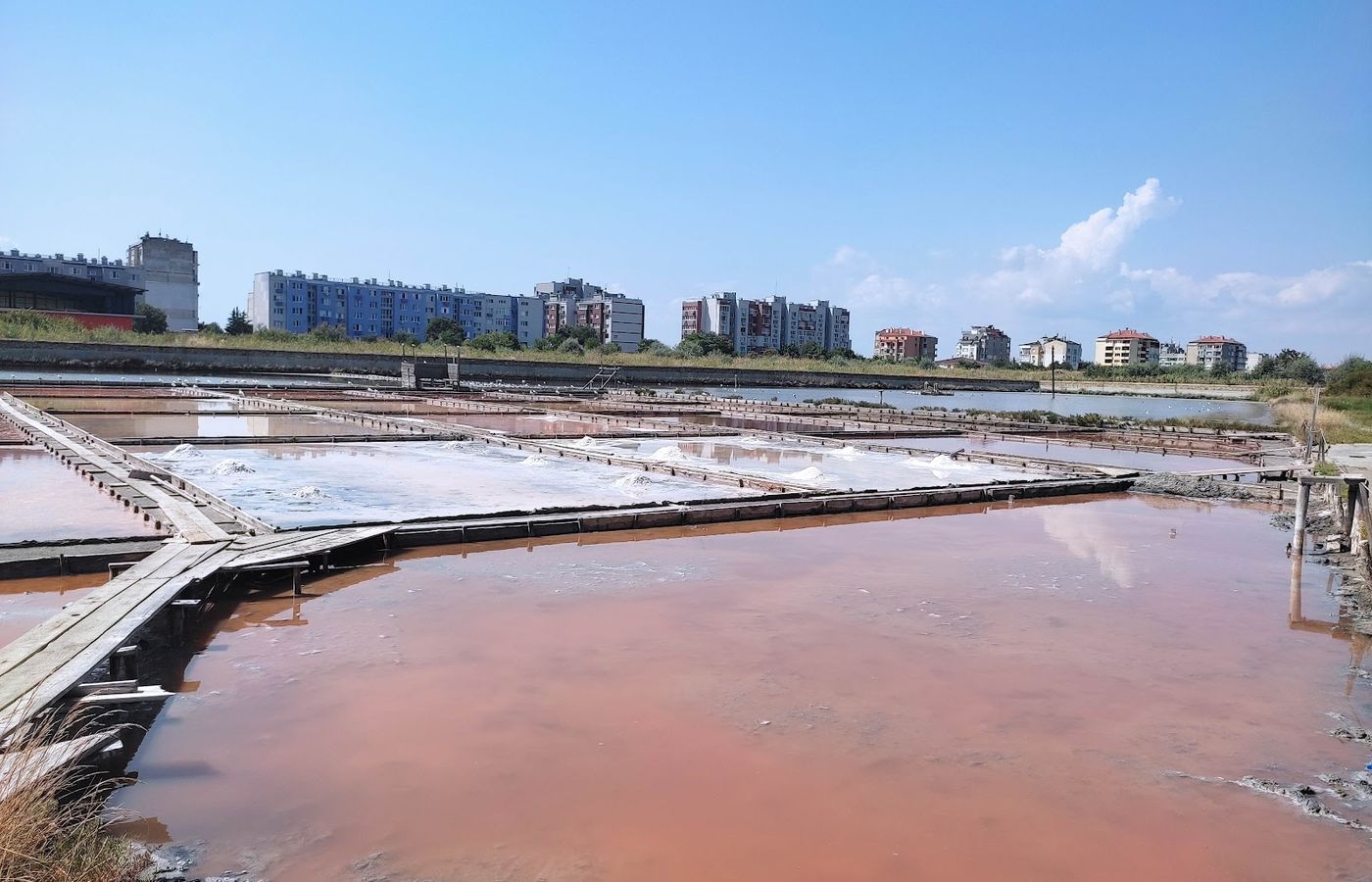
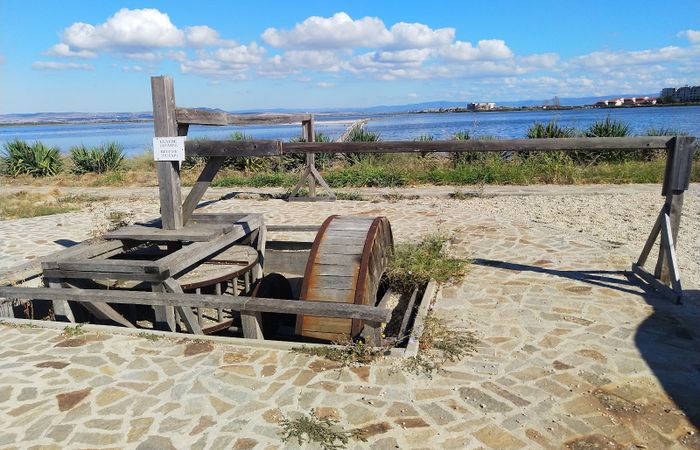
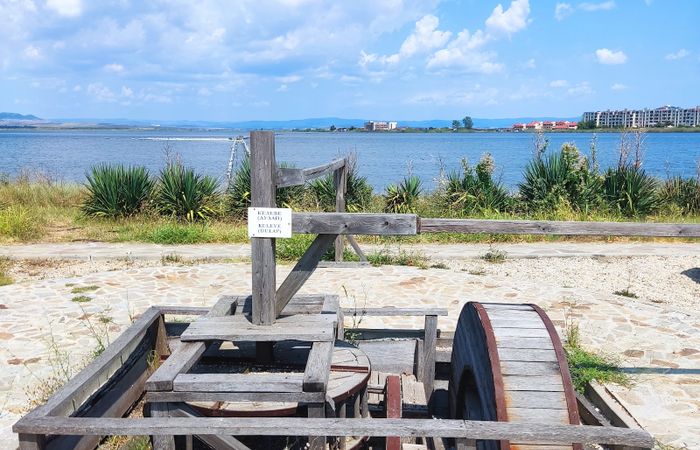
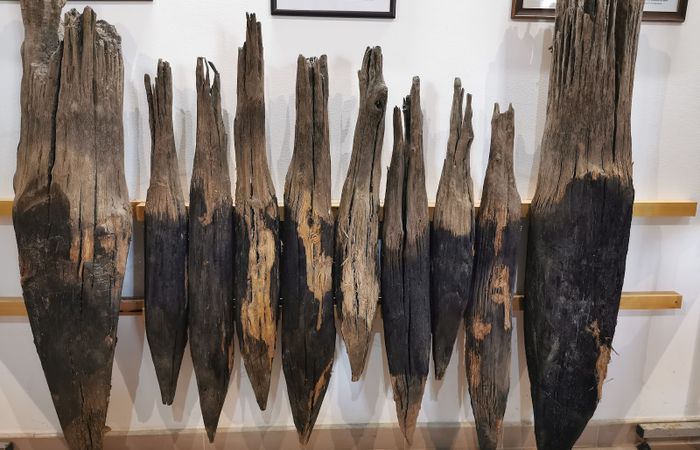
The Salt Museum of Pomorie is the only specialised museum for the production of salt through solar evaporation of seawater in Bulgaria and in all of Eastern Europe, located on the narrow strip of land between the Pomorie Lake and the salt pans, in the Old Town area of Pomorie, at 2A Mesambria Street, Pomorie Municipality, Burgas Region — 20 km from Burgas. It is included in Bulgaria's 100 National Tourist Sites and has been visited by over 250,000 tourists since its opening. The museum is a branch of the Pomorie Historical Museum.The museum consists of an exhibition hall and 20 decares of open-air salt pans where salt is still produced to this day. In ancient times salt was extraordinarily valuable — sometimes worth more than gold — and for this reason the Anchialos salt pans were the subject of disputes and wars throughout antiquity and the medieval period. According to Bulgarian historians, the salt pans in the region of Pomorie existed even before the establishment of the town, around the 5th century BC, and until the 1930s sea salt in Bulgaria was produced only in Pomorie. Imperial ResortMiramarhotelThe museum was opened on 7 September 2002 as a result of the international project "All About Salt" (ALAS), carried out together with municipalities from Greece, Portugal, and Slovenia, with a budget of 160,000 euros financed 75% by the EU PHARE programme and 25% by Pomorie Municipality. In 2012–2013 a further project — "Pomorie — Tourist Attraction: City of Salt, Ancient History and Traditions" — transformed the salt pans and the museum into a year-round tourist destination. The museum building itself is a restored old structure equipped with modern audio-visual technology and suitable for meetings and conferences.The exhibition presents the development of the ancient Anchialos salt-making technology over the centuries, with a rich collection of photographs from the early 20th century, copies of documents from the 15th to 19th centuries relating to salt production and trade in the Bulgarian lands, authentic tools and equipment including wooden salt carts and rakes, diapositives, films, and video and audio recordings. A restored section of the narrow-gauge railway once used to transport the salt is preserved outdoors as part of the exhibition. The open-air salt pans continue to produce salt using the authentic Anchialos technology — unchanged for over 25 centuries — which consists of the sequential passage of seawater from the sea through the lake and then through several smaller evaporation basins to increase its concentration, until it crystallises in small pans of approximately 80–100 square metres under the action of wind and sun. Visitors can watch all the technological operations live and speak with the salt workers about the subtleties of the craft. The Pomorie Lake — an important stop on the Via Pontica migration route, known for its exceptional ornithological richness — is visible from the museum, and special cameras mounted in the salt pans allow bird observation.


