
Plovdiv
Things to do in Plovdiv
Explore Plovdiv's Old Town, Ancient Theatre, Kapana and Nebet Tepe. Browse the sights on a map and plan your walk through the city.
Places in this ranking
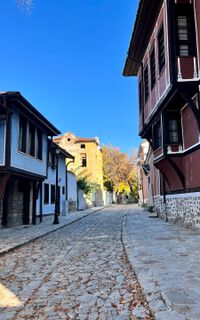
Take a walk through the Old Town
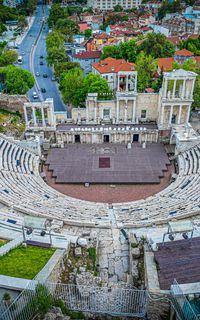
Visit the Ancient Theatre of Plovdiv
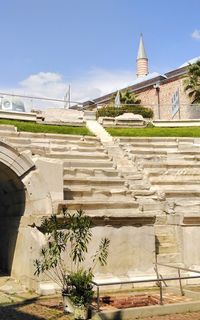
See the Roman Stadium
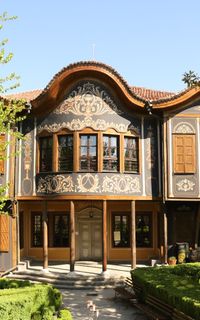
Visit the Ethnographic Museum
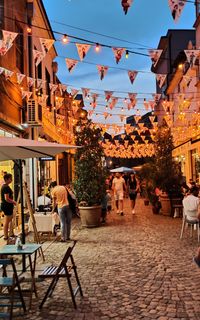
Take a walk through Kapana District
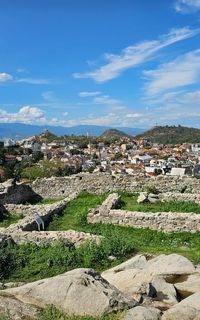
Go up to Nebet Tepe
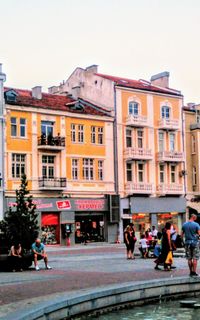
Take a walk along the Main Street
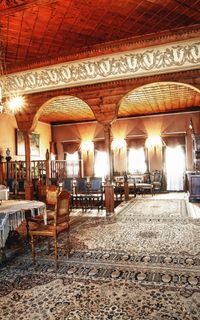
Visit the Balabanov House
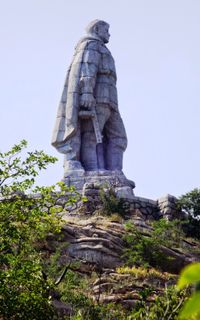
See the city from the Alyosha Monument
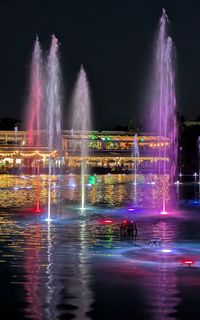
Watch the Singing Fountains at night
The map can't be shown in this browser.
Plan your visit
What can you see in Plovdiv? This selection brings together attractions and ideas for exploring. Read about each place and open its page for more information.
How to plan your visit
- For one day, choose a subset rather than all ten stops. Group the main pedestrian street, Roman Stadium and Kapana, and reserve another part of your visit for the Old Town.
- If the Ethnographic Museum is a priority, account for its Monday closure. Check each venue’s seasonal hours and lunch closures before ordering your stops.
- At the Ancient Theatre, distinguish a sightseeing visit from attending a performance. Treat the hills as a separate choice depending on your time and mobility.
Old Town
Architectural reserve with Revival period houses
Ancient Theatre
The Ancient Theatre of Plovdiv is one of the best-preserved Roman theatres in the world and one of the city’s most iconic landmarks. Built in the 1st century AD during the reign of Emperor Domitian, it combines impressive ancient architecture, a spectacular hillside setting, and panoramic views of Plovdiv. Restored and adapted for modern use, the theatre still hosts opera performances, concerts, and cultural events, making it a remarkable place where antiquity and contemporary cultural life meet.
Practical information
- Address
- 4 Tsar Ivaylo Street, Plovdiv.
- Published schedule
- Daily: April–October 09:30–18:00; November–March 09:00–17:30. Lunch closure 12:30–13:00.
Sources for these additions checked on . Confirm current arrangements before visiting.
Roman Stadium
The Ancient Roman Stadium of Philippopolis, located under the main pedestrian street, was built in the 2nd century AD and could seat 30,000 spectators. Visitors can explore the northern curved part and imagine the gladiatorial games and chariot races that once took place here.
Practical information
- Location
- Roman Stadium Square, Plovdiv. The exposed section is the northern seating area, not the entire ancient stadium.
- Tickets
- The official page offers a projection-hall ticket. Check what your selected ticket includes.
Sources for these additions checked on . Confirm current arrangements before visiting.
Plovdiv Regional Ethnographic Museum
Housed in a stunning 19th-century house, this museum showcases traditional Bulgarian crafts, costumes, and daily life, providing a deeper understanding of local culture.
Practical information
- Address and approach
- 2 Dr Stoyan Chomakov Street, Old Town. Vehicle access in the reserve is restricted; plan a walking approach.
- Published schedule
- Tuesday–Sunday: winter hours 09:00–17:00, summer 09:00–18:00. Closed Mondays; this page does not specify the seasonal changeover dates.
Sources for these additions checked on . Confirm current arrangements before visiting.
Kapana District
Creative district with art galleries, cafes and workshops
Nebet Tepe
Ancient fortification with panoramic views of the city
Knyaz Alexander I Street
Knyaz Alexander I Street is one of the most vibrant and emblematic pedestrian streets in the heart of Plovdiv. Lined with elegant buildings, cafés, boutiques and historic landmarks, the street connects the Central Square with the Old Town and the Kapana Creative District. It is a lively place where locals and visitors enjoy shopping, strolling and experiencing the city’s cultural rhythm. Street performers, art displays and seasonal events add charm to the atmosphere, making Knyaz Alexander I Street a central hub of urban life in Plovdiv.
Balabanov House
The Balabanov House in Plovdiv’s Old Town is one of the most remarkable examples of Bulgarian Revival architecture. Built in the early 19th century, the house impresses with its spacious interiors, richly decorated wooden ceilings, authentic furniture, and elegant façade. Today, it functions as a museum and cultural venue, hosting exhibitions, concerts, and literary events, and offering visitors a vivid glimpse into the lifestyle of the Revival period.
Practical information
- Address
- 57 Konstantin Stoilov Street, Plovdiv.
- Published seasonal schedule
- Tuesday–Sunday: April–October 09:30–18:00; November–March 09:00–17:30. Lunch closure 13:00–13:30. Confirm Monday access with the venue: its general and seasonal listings differ.
Sources for these additions checked on . Confirm current arrangements before visiting.
Monument of the Red Army "Alyosha"
The Monument of the Red Army “Alyosha” is one of the most recognizable landmarks in Plovdiv. Erected in the 1950s on Bunarjik Hill, the monument honors the Soviet soldiers who fell during World War II. The 11-meter statue of a soldier, known as Alyosha, stands atop a massive granite pedestal and overlooks the entire city, becoming a symbolic part of the Plovdiv skyline. The site is accessible by a scenic walkway and offers panoramic views of the city and the surrounding hills. Today, the monument remains a place of historical remembrance and a notable cultural landmark in Plovdiv.
Singing Fountains
The Singing Fountains are a popular attraction in the heart of Plovdiv. Located in the Tsar Simeon Garden, they offer a mesmerizing spectacle of light, music, and water, especially in the evenings.
For ticketed attractions or visits at a specific time, check the official website before setting off. Missing prices or opening hours do not mean free or unrestricted access.