
Ethnographic Museum
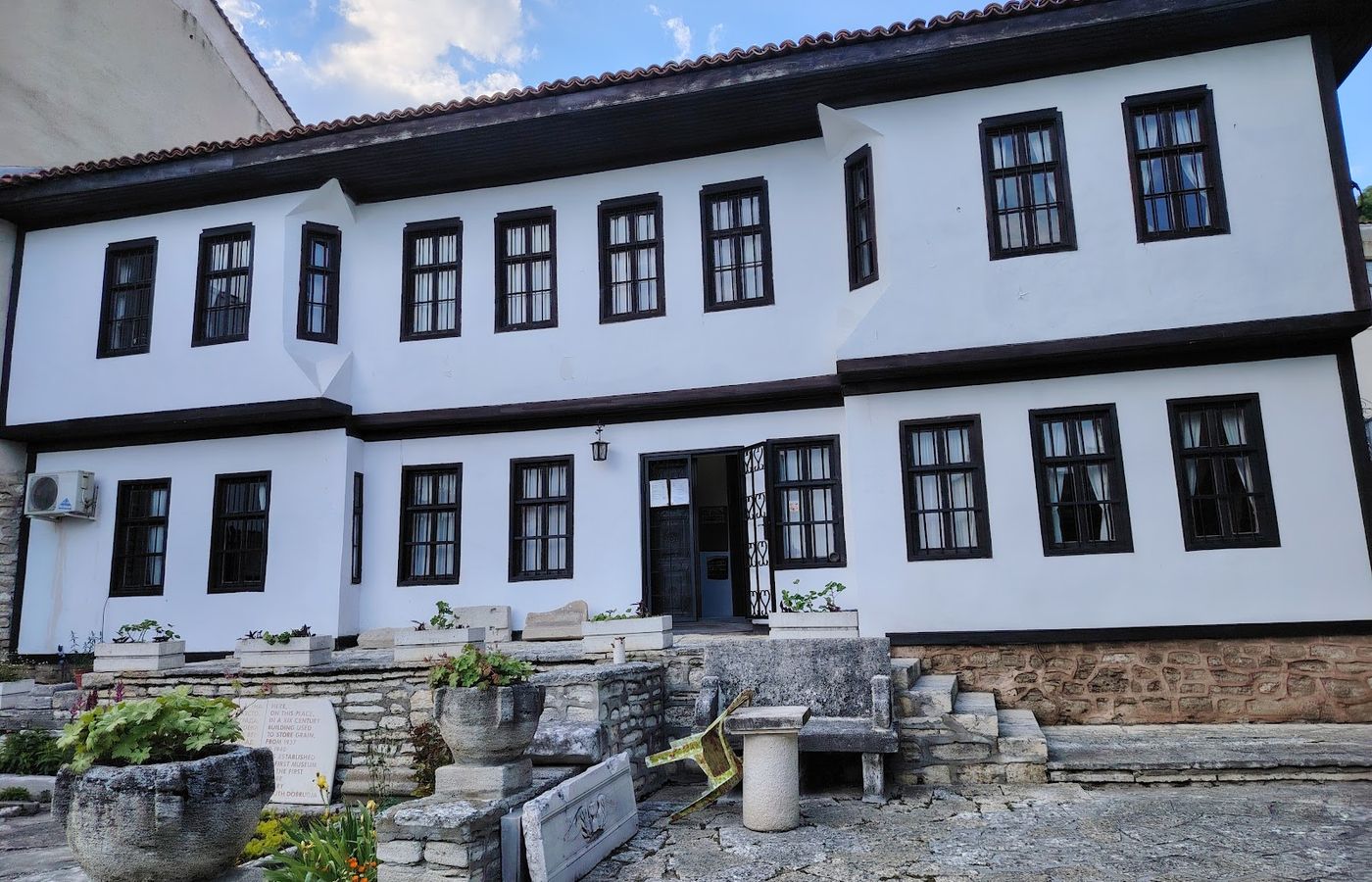
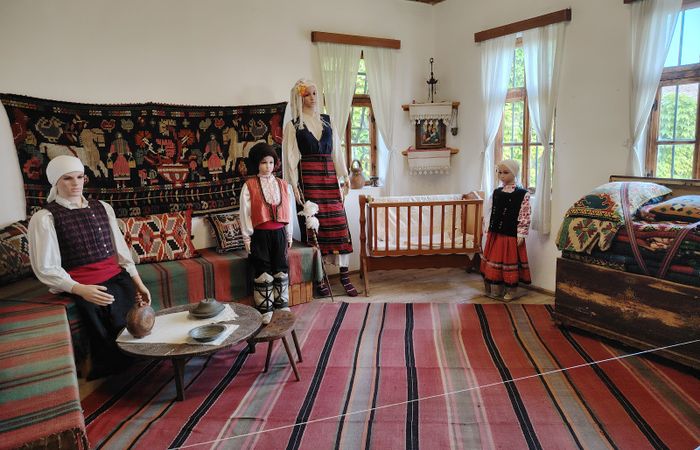
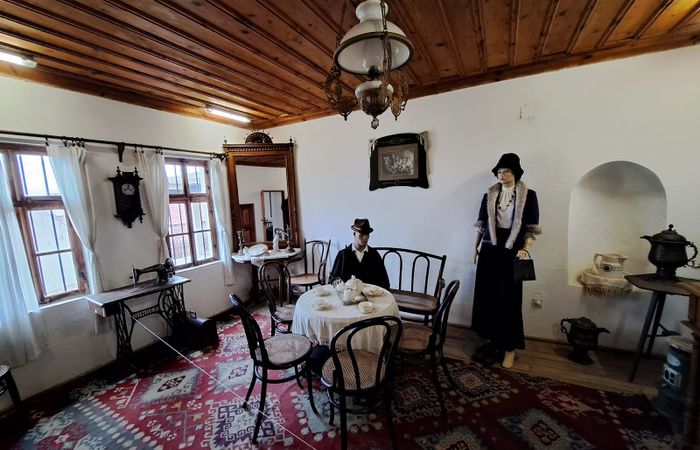
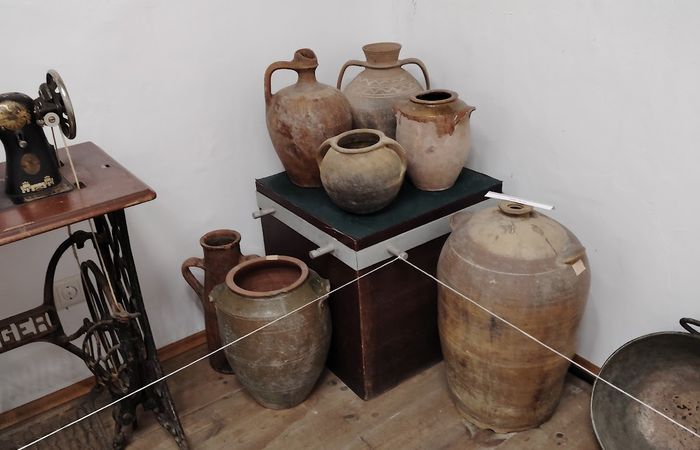
The Ethnographic House of Balchik is a branch of the Balchik Historical Museum, housed in a two-storey Bulgarian National Revival building from 1895, located at 2 Dimitar Zhelev Street in the centre of Balchik, in Balchik Municipality, Dobrich Region. The house was formerly the property of a local grain merchant, and its warm, intimate atmosphere still evokes the domestic life of a prosperous Balchik trading family of the late 19th century. In 1980 the National Institute for Monuments of Culture (NIPK) carried out a reconstruction of the building, which — following consultation with the Ethnographic Institute with Museum in Sofia — was converted into an ethnographic museum. The exhibition plan was developed by Penko Puntev from the Institute of Ethnography. Today the museum's fund holds over 1,500 museum items. The building is a two-storey structure with a solid stone wall on the north side and an oriel (bay window) projection on the second floor of the south facade — a characteristic feature of Dobrujan Revival architecture. The ground floor was historically used as a cellar, while the living quarters occupied the upper floor; the exterior harmonises pleasantly with the colourful garden and courtyard in front of the building. The exhibition is spread across both floors and reveals different aspects of the rural and urban culture of the Balchik region from the end of the 19th and beginning of the 20th century. The ground floor is dedicated to the main livelihoods and crafts characteristic of the population of the Balchik region: agriculture, animal husbandry, fishing, viticulture and winemaking, and traditional crafts including cooperage, blacksmithing, carpentry, coppersmithing, furriery, and cloth-making. The upper floor is dedicated to folk art, represented primarily through traditional textiles and costumes, and recreates the atmosphere of the most representative room in a Dobrujan house — the "soba" — with its long divans covered in red fabric, and also presents the kitchen area around the hearth, with copper vessels, a low round table, and three-legged stools. The upper floor also houses a collection of works by local master goldsmiths — jewellery that formed a natural complement to the traditional costume. Since 2016 a special outdoor exhibition in the courtyard traces the path of wine — from the planting of the vines and the harvesting of the grapes to the production of the wine. The museum organises folklore performances, demonstrations of old Bulgarian crafts, and educational programmes for making objects using old techniques and traditional folk instruments. It is open year-round and is one of the most visited attractions in Balchik.


